


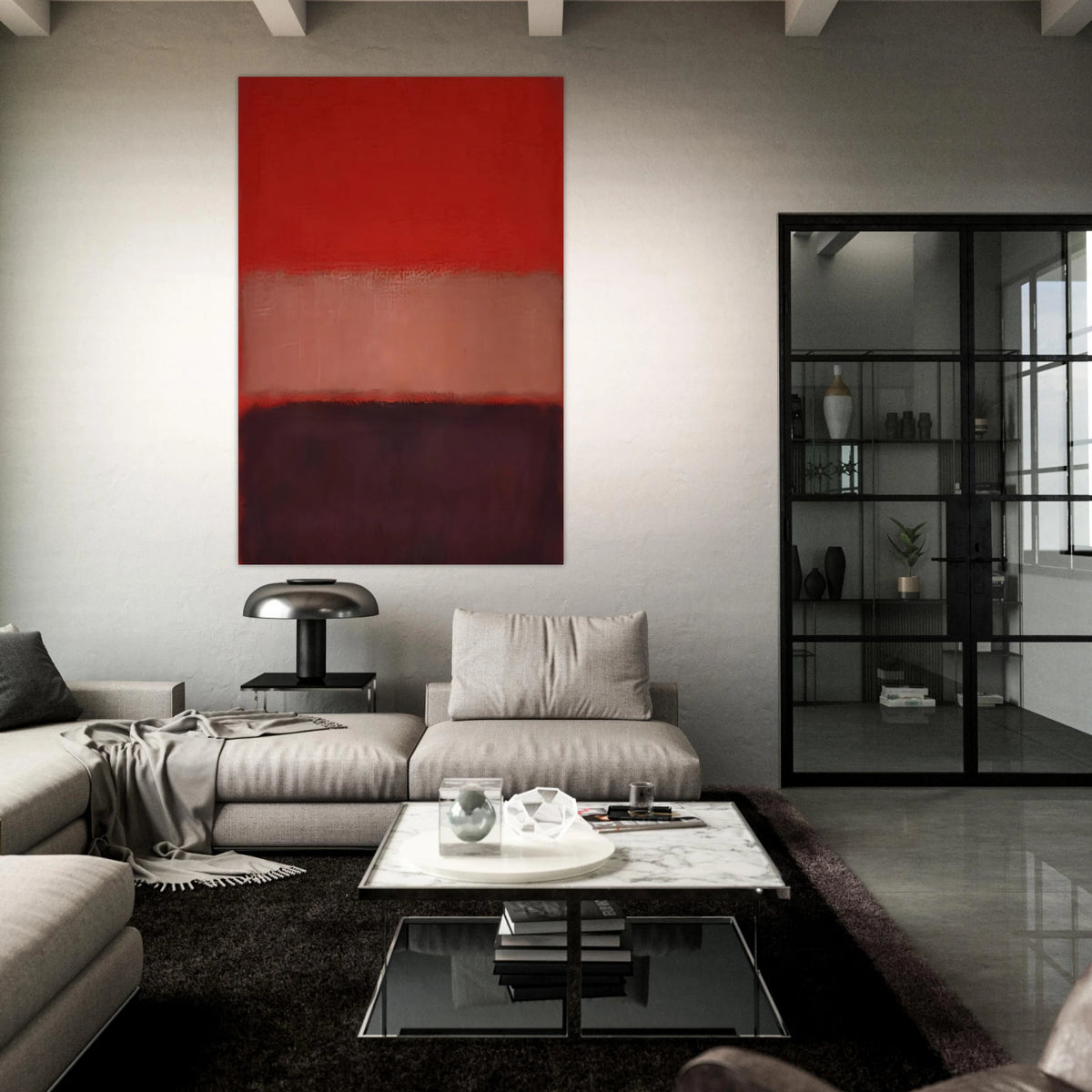
Discover Unlimited Art Possibilities
At Rothko Prints, you can find virtually any artwork from any artist, available in a wide range of sizes to perfectly match your space.
If you didn’t find what you’re looking for, contact us at support@rothkoprints.com . We will source any artwork and produce it in any size and format you need, including art prints, posters, canvas, framed pieces, framed canvas, and more.
For dedicated art enthusiasts, we also offer handcrafted replicas of any artwork, carefully painted by highly skilled artists using traditional techniques.
For custom requests, contact us at support@rothkoprints.com .
What is the quality of the Mark Rothko No. 46 print?
Our Master’s Edition print uses 250 gsm, FSC-certified, acid-free paper with a matte finish, ensuring museum-grade reproduction quality for long-term display.
Does the paper yellow over time?
No. The paper is acid-free (pH > 7), preventing yellowing. Combined with archival inks, your print retains its original tones for decades.
What sizes are available for this Rothko poster?
We offer four sizes to suit any space, from intimate 12x12 inches to grand 40x40 inches. Check the product page for exact dimensions.
Is the print suitable for framing?
Absolutely. The uncoated, matte paper is ideal for glazing, reducing reflection while showcasing the color accuracy.
How is this reproduction different from others?
Our Master’s Edition uses giclée printing on sustainable, museum-grade paper, replicating Rothko’s subtle layers with superior precision and depth.
Can I return the print if it arrives damaged?
Yes, we offer free returns for damaged items. Contact us within 14 days, and we’ll provide a full refund or replacement.
Is the paper eco-friendly?
Yes, our paper is FSC-certified, promoting sustainable forestry, so you can enjoy art responsibly.
Will the colors stay vibrant over time?
Archival-grade, fade-resistant inks combined with acid-free paper ensure your print’s colors remain true for generations.
Does the print come with a certificate of authenticity?
While not a limited edition, each print is crafted to museum standards. Contact us if a certificate is needed for your collection.
What is the historical significance of Rothko’s 1957 paintings?
This period marked Rothko’s shift to darker, more introspective palettes, reflecting existential themes in post-war America.
What materials did Rothko use for his original paintings?
Rothko layered oil, synthetic resin, and egg tempera over canvas, building translucent washes to achieve his luminous effects.
Why is No. 46 Black, Ochre, Red Over Red so famous?
It’s a quintessential example of Rothko’s color field painting, evoking deep emotion through minimal composition.
How does this print capture the original’s texture?
Our advanced giclée technique replicates color gradations and subtle variations, conveying the depth while respecting the flat finish.